Waiting for a tax refund can feel like a slow countdown, especially when you’re eager to receive your money. Understanding the IRS timeline, key dates, and ways to track your refund can make the process much less stressful. Planning ahead for your 2026 refund ensures you know what to expect and how to get your money as quickly as possible.
The Fastest Way to Get Your Refund
The quickest method to receive your refund is to e-file your tax return and select direct deposit. Paper returns or mailed checks take longer, sometimes adding weeks or even months to the process. For 2026, remember this simple rule: e-file plus direct deposit equals the fastest refund. This method reduces delays and ensures the IRS processes your return efficiently.

When the IRS Begins Accepting Returns
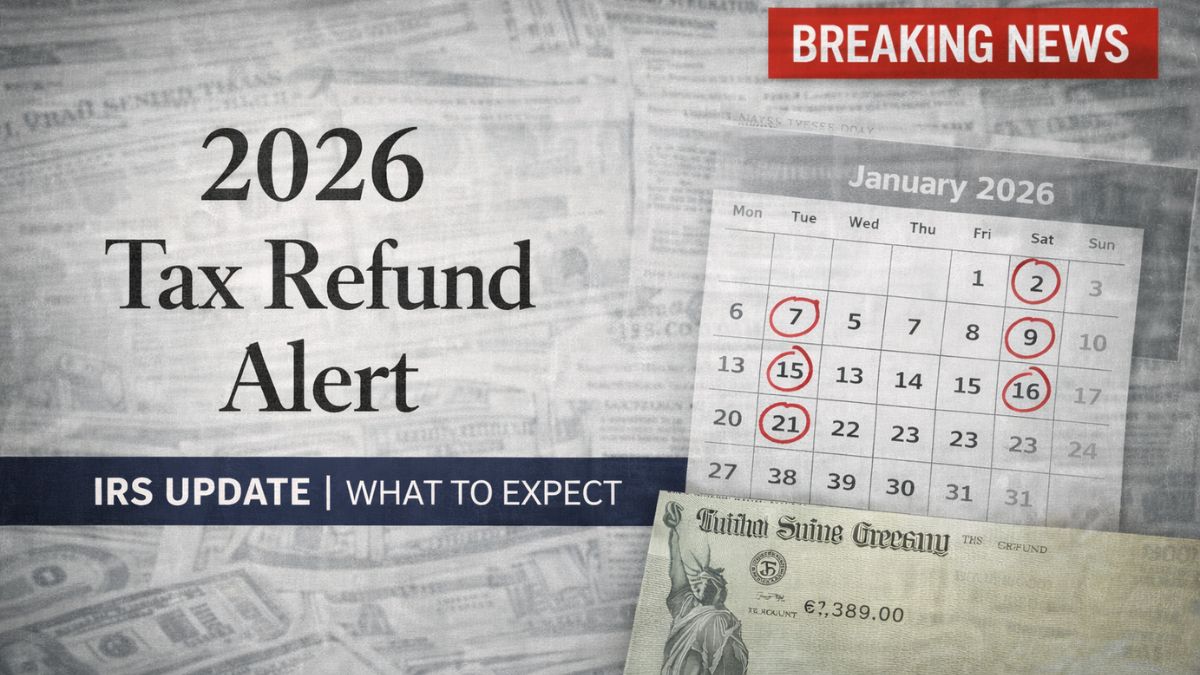
For the 2025 tax year, the IRS will start accepting returns in mid-to-late January 2026. Once your return is submitted, the refund clock begins. However, if you are claiming credits like the Earned Income Tax Credit (EITC) or Additional Child Tax Credit (ACTC), your refund will be held until at least mid-February 2026. These precautions help prevent fraud and protect taxpayers, so even early filers should expect the funds no earlier than late February 2026.
Tracking Your Refund

You don’t have to wait and wonder about your refund. The IRS provides online tools to check your status. By entering your Social Security Number, filing status, and exact refund amount, you can see updates every 24 hours. Creating an account at IRS.gov/account allows you to track progress conveniently from any device, providing peace of mind throughout the process.
Avoiding Scams and Delays
It’s important to remember that the IRS will never call, email, or text to ask for personal or banking information. Always use official channels when tracking your refund. Even with e-filing, delays can occur due to errors, incomplete information, or identity verification requirements. Staying informed and using official tools can help you respond quickly if any issues arise.

Planning Ahead for Your Refund
Mark late January 2026 as the likely start for filing your tax return. Stick to e-filing with direct deposit, and use the IRS tools to monitor your refund. If claiming EITC or ACTC, plan for mid-to-late February. Being prepared helps turn anxiety into informed anticipation, ensuring your refund arrives smoothly and can make a meaningful difference in your financial planning.
Disclaimer

This article is for informational purposes only and does not constitute financial, legal, or tax advice. Refund timelines, IRS policies, and processing times may change. For the most accurate and up-to-date information, always consult the official IRS website or a qualified tax professional.