As January 2026 begins, many Americans are checking their bank accounts with renewed attention because of reports about a confirmed $2,000 IRS direct deposit. With rising living costs, lingering holiday expenses, and ongoing financial pressure, this payment has become an important source of relief for eligible households. However, there is still confusion about who qualifies, why the payment is issued, and when the money actually arrives.
What the January 2026 IRS $2,000 Payment Really Is
The $2,000 IRS payment arriving in January 2026 is not a universal stimulus check for every American. Instead, it is a targeted federal payment issued through the Internal Revenue Service under existing tax laws. In most cases, this amount reflects refundable tax credits, corrected or delayed tax payments, or adjustments from previously filed returns. The IRS is using current tax and benefit systems to deliver the payment automatically to those who qualify.
Why January Is a Common Payment Month
January is one of the busiest months for IRS disbursements. Tax season officially begins, many taxpayers file early, and refunds start moving through the system. At the same time, the IRS processes adjustments or corrections from prior tax years. When these payments line up, some households see deposits close to $2,000, which can feel like a special one-time benefit even though it is based on existing rules.

Who Is Eligible for the $2,000 Deposit
Eligibility for the January 2026 IRS payment depends mainly on income, filing status, household size, and qualification for specific refundable tax credits. The IRS uses the most recent tax return on file to determine eligibility. Single filers, married couples, and heads of household all have different income limits. Individuals who did not file a required tax return are one of the most common groups to miss out on this payment.
How and When the Payment Is Sent
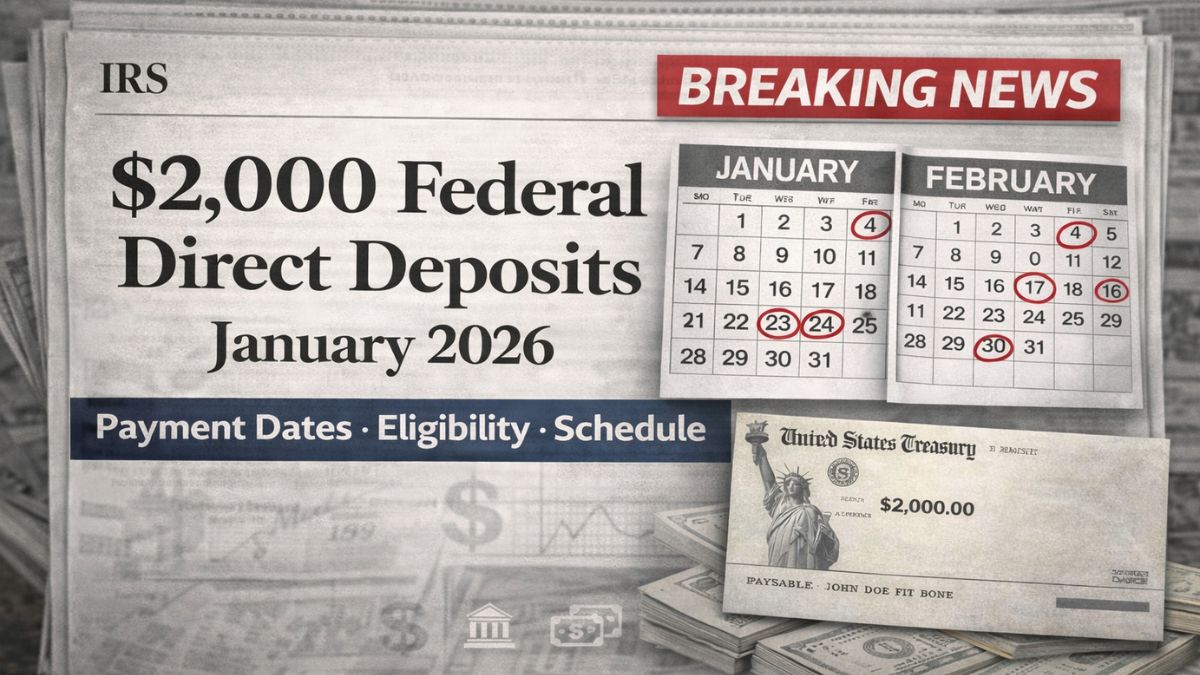
Most $2,000 payments are scheduled for early to mid-January 2026. Direct deposit is the fastest delivery method, and funds may appear as pending before they fully post. Taxpayers without direct deposit on file receive paper checks by mail, which can take several additional weeks. Bank processing times and holidays can also affect when the money becomes available.
Tax and Benefit Impact
In most situations, the $2,000 IRS payment is not taxable income because it consists of refundable credits or tax adjustments. It generally does not reduce Social Security, SSI, or other federal benefits. This allows recipients to use the money without worrying about future benefit reductions.

What to Do If Your Payment Does Not Arrive
If the payment does not arrive, outdated bank details or address information are often the cause. Taxpayers should check official IRS tools to confirm payment status and update their information if needed. In some cases, missing amounts can be claimed later on a tax return.
Why This Payment Matters
For many households, the $2,000 payment helps cover rent, utilities, groceries, or debt. Financial experts suggest using it to stabilize finances, reduce high-interest balances, or build emergency savings. Unlike pandemic stimulus checks, this payment comes from routine tax systems rather than emergency legislation.
Final Thoughts
The January 2026 IRS $2,000 direct deposit provides meaningful support for eligible Americans, but it is not automatic for everyone. Understanding eligibility, timing, and delivery helps reduce confusion and ensures households can plan with confidence.

Disclaimer:
This article is for informational purposes only and does not provide tax, legal, or financial advice. Eligibility rules, payment amounts, and timelines are subject to change based on IRS policies and individual circumstances. Readers should consult official IRS resources or a qualified professional for personalized guidance.