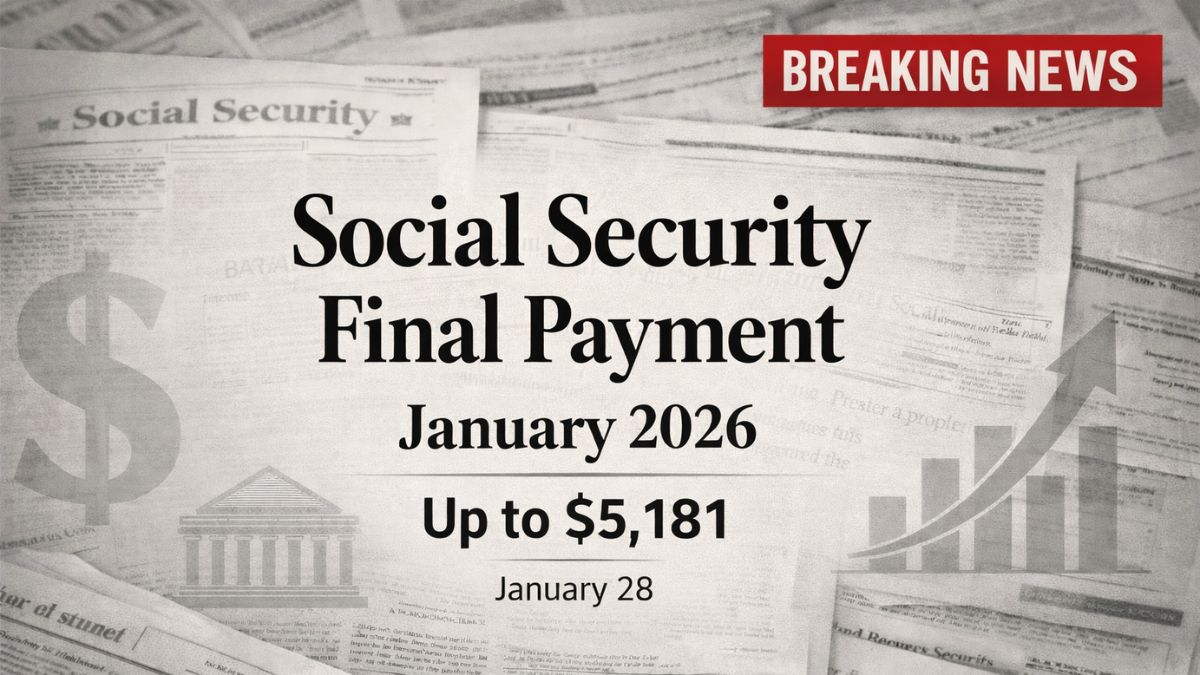
The Social Security Administration continues to deliver monthly payments to nearly 74 million Americans who rely on these benefits. The final Social Security payment for January 2026 is scheduled for Wednesday, January 28. This date is important for many retirees, disabled workers, and surviving family members who depend on Social Security to manage daily expenses.
Impact of the Recent COLA Increase
January payments reflect the recent 2.8 percent Cost of Living Adjustment. This increase was applied to help beneficiaries cope with higher prices for essentials such as food, housing, utilities, and medical care. While the adjustment does not eliminate financial pressure, it provides added support in an economy where inflation still affects household budgets.
Why the Payment Schedule Matters
Social Security payments are not sent on the same day to everyone. The SSA uses a fixed schedule to ensure smooth and reliable distribution. This system helps beneficiaries plan their monthly expenses and reduces delays or confusion around payment dates.

Who Gets Paid on Wednesday, January 28
The January 28 payment is for beneficiaries whose birth dates fall between the 21st and 31st of any month. This group represents the final wave of Social Security retirement, disability, and survivor payments for January. Those with earlier birth dates would have already received their deposits earlier in the month.
Important Rule for Family-Based Benefits
For people receiving benefits based on a spouse’s or parent’s work record, the payment date is determined by the birth date of that worker, not the beneficiary. This rule often causes confusion, but it is a standard part of the SSA payment system and applies nationwide.
Types of Benefits Included in This Payment
The January 28 payment covers Social Security retirement benefits, Social Security Disability Insurance, and survivor benefits. These programs are funded through payroll taxes and are based on work history and contributions made during employment.

Maximum Social Security Benefit in 2026
In 2026, the maximum monthly Social Security benefit has reached a record level of $5,181. This amount applies only to individuals with high lifetime earnings who delayed claiming benefits until age 70. Most beneficiaries receive less, but this figure highlights how timing and earnings affect benefit amounts.
Understanding Supplemental Security Income
Supplemental Security Income is different from other Social Security programs. SSI is based on financial need, not work history. It supports individuals aged 65 or older or those with disabilities who have limited income and resources. SSI payments follow a separate schedule and are funded through general tax revenue.
People Receiving Both SSI and Social Security
About 2.5 million Americans receive both SSI and another Social Security benefit such as retirement or SSDI. These individuals may receive payments from different programs at different times, depending on their eligibility and benefit type.

Disclaimer
This article is for informational purposes only and does not provide financial, legal, or retirement advice. Social Security rules, payment amounts, and schedules may change. Individual circumstances vary, and readers should consult the Social Security Administration or a qualified professional for guidance specific to their situation.